Nike - Product Engineering Intern
Location
Portland
Timeline
June-August
skills
Mechanical Testing
Statistical Analysis
Manufacturing Process Design
Material Trade-Off Analysis
Project Background
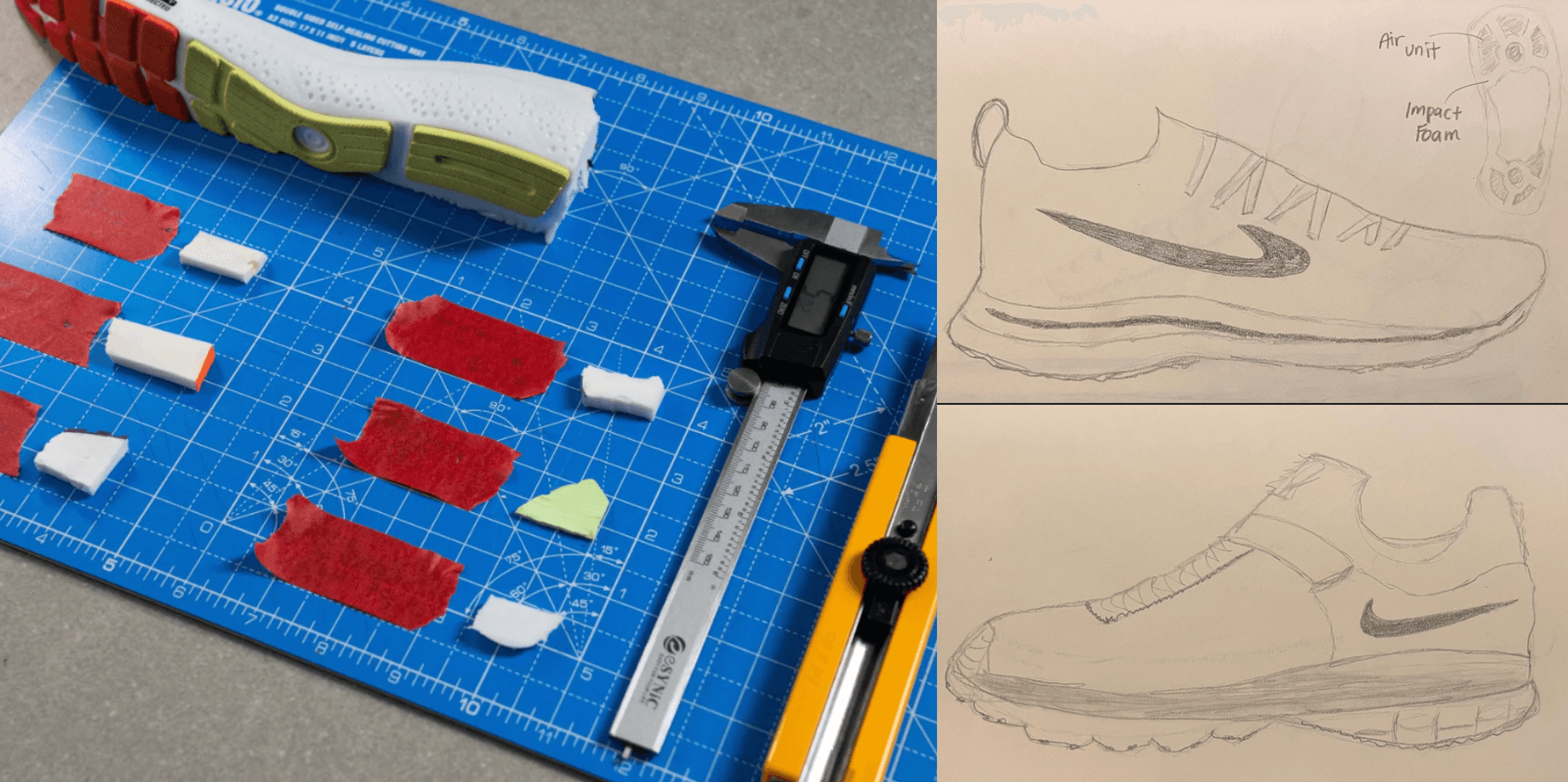
In performance running footwear, the midsole is a primary driver of athlete experience, directly influencing ride feel, energy return, durability, and long-term consistency across pairs.
The challenge was to evaluate and refine midsole material options in a way that translated lab-scale performance data into footwear-relevant insights, while balancing:
Ride feel and responsiveness
Durability and compression behavior over time
Weight and density targets
Manufacturing robustness and scalability
Tight product development timelines
Product & Athlete Outcome–Driven Approach
Framed testing around shoe-level outcomes (ride feel, responsiveness, consistency)
Evaluated relative performance trends across midsole variants rather than optimizing a single metric
Translated lab results into footwear-relevant tradeoffs that informed development decisions
Systems & tradeoffs considered:
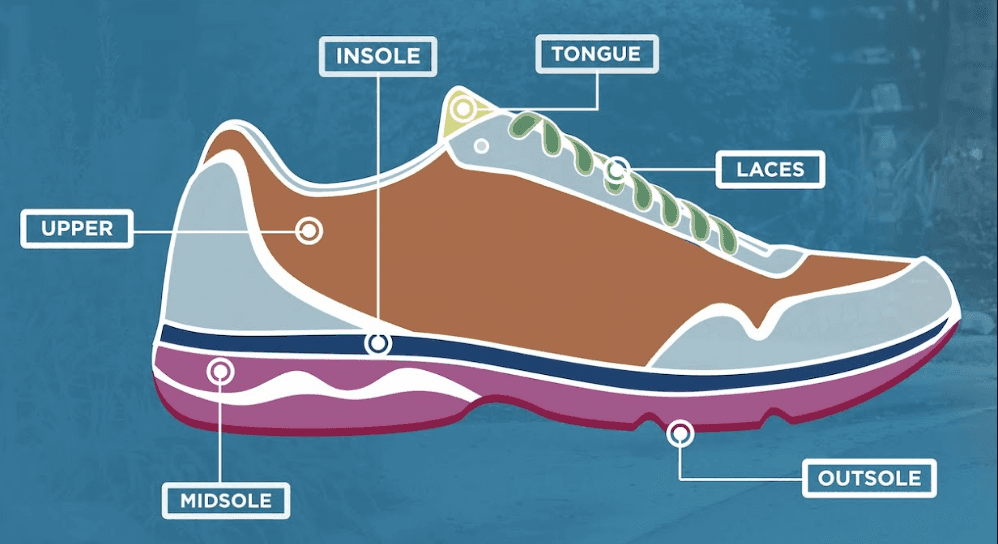
Midsole performance was evaluated in context of the full shoe system—interfaces with the outsole and upper, geometry sensitivity, and manufacturing scalability—balancing:
Energy return ↔ long-term durability
Weight reduction ↔ process consistency
Peak lab performance ↔ repeatability at scale
Result:
Decisions prioritized athlete experience and product reliability, not just lab optimization.
Impact & Outcomes
Informed midsole material down-selection during active development cycles
Reduced uncertainty around performance variability and durability risks
Aligned lab testing outcomes with footwear-level decision criteria
Supported more confident iteration and development planning
This work contributed to Nike’s goal of delivering consistent, high-performance running footwear to all athletes.